Our Leadership Legacy
The 1,500-Year Chronicle of the Chauhan Rajputs
Our Leadership & The Chauhan Legacy
The Eternal Flame: The Legacy of the Chauhan Rajputs
The story of our leadership is not merely one of business, but of a 1,500-year-old bloodline defined by unyielding resilience, honor, and an indomitable spirit. Our roots trace back to the very foundations of Hindustan, beginning with Shri Vasudev Singh Ji Chauhan in 551 AD and ascending to the legendary reign of Shri Prithviraj Singh Ji Chauhan III, from whom the legacy descends through the ages to the time of Shri Heera Singh Ji Chauhan, Shri Moti Singh Ji Chauhan, and Shri Mangal Singh Ji Chauhan.
The story of our family is not merely one of modern enterprise; it is a continuation of an ancient royal legacy. Our journey is defined by the blood of emperors, the resilience of warriors, and an unwavering commitment to honor that has survived for over a millennium.
The Zenith of Empire and the Last Great Stand
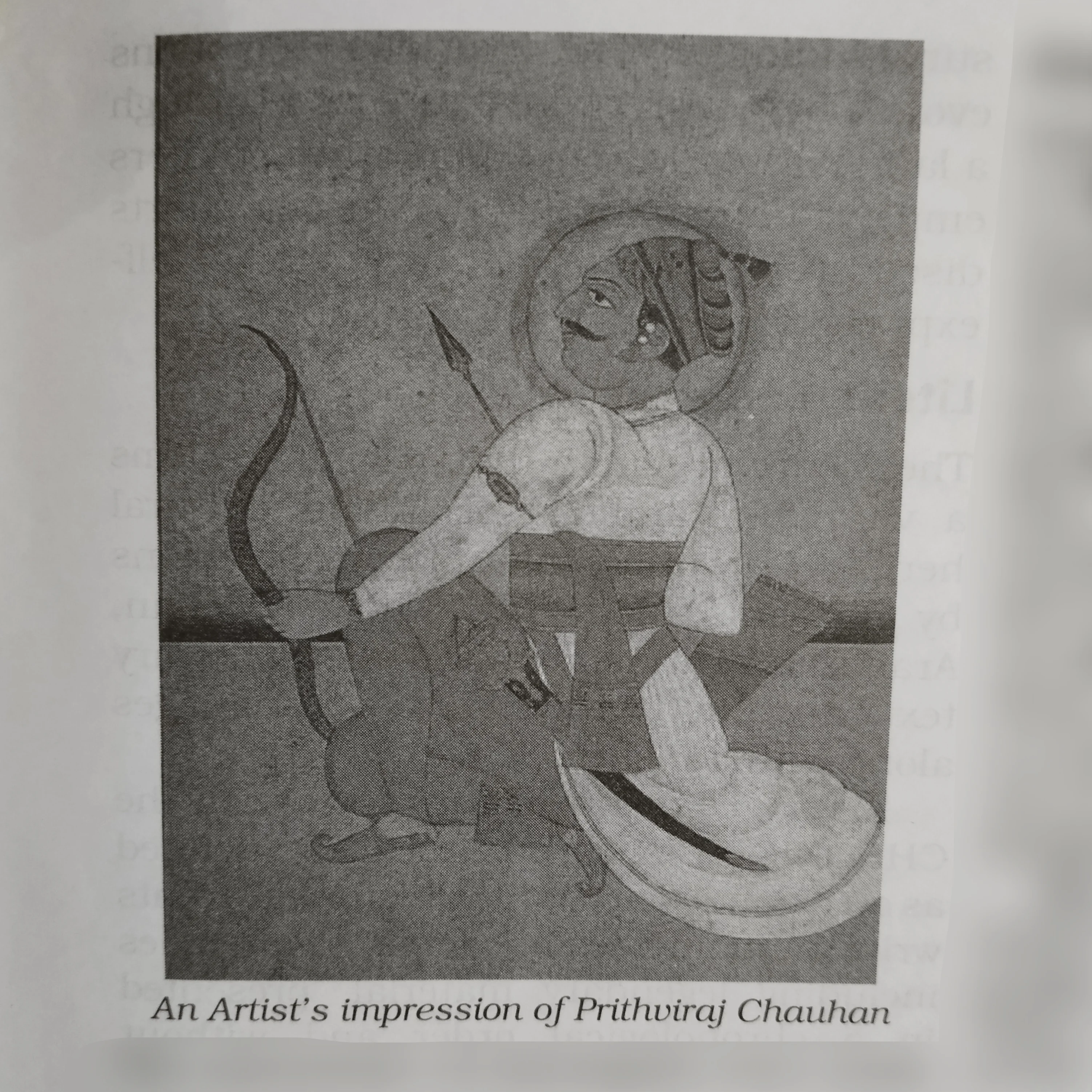
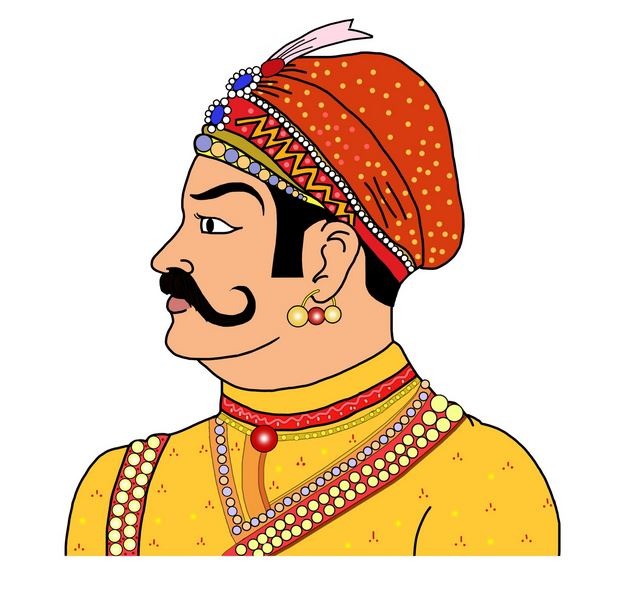
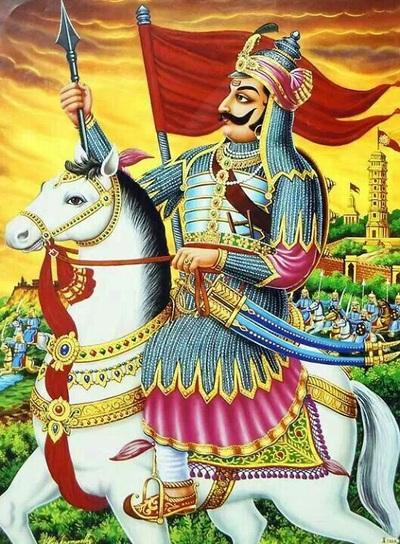
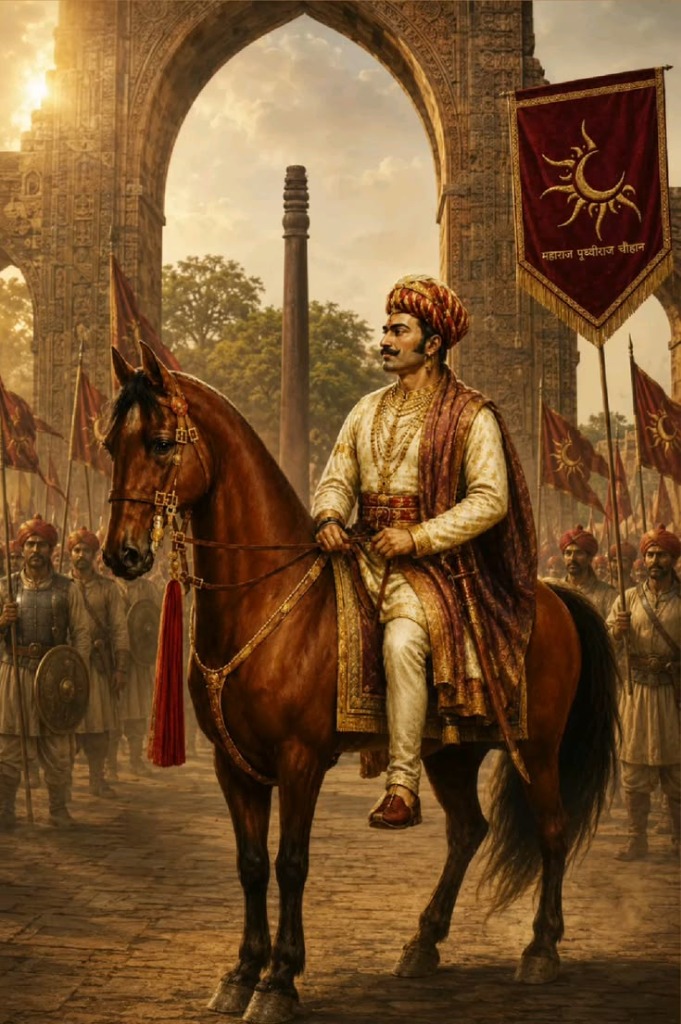
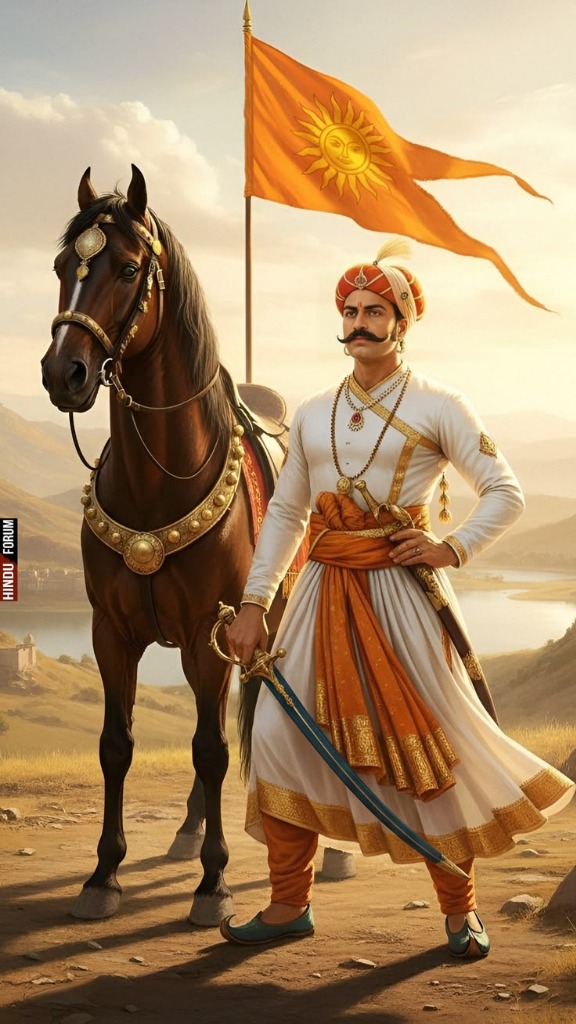
For over six centuries, the Chauhan Rajputs stood among the foremost ruling dynasties of Hindustan, defending their lands with courage, honor, and an unwavering commitment to dharma. At the pinnacle of this golden era stood Shri Prithviraj Singh Ji Chauhan III, the great Emperor of Delhi and Ajmer, whose name continues to echo through the centuries as a symbol of valor, leadership, and sacrifice.
Blessed with extraordinary skill in warfare and renowned for his unmatched mastery of the divine archery art known as Shabd Bhedi Baan—a feat not witnessed since Raja Dashratha in the Satyuga—Samrat Prithviraj Chauhan commanded the respect of allies and adversaries alike. His battlefield victories, statesmanship, and unwavering sense of justice established him among the most celebrated warrior kings in the history of Hindustan. Under his leadership, the Chauhan banner flew proudly across vast territories, and his reputation for courage, magnanimity, and honor became legendary.
Yet beyond the battlefield and the throne, there was another chapter of his life that would become immortal. It was a story not of conquest, but of love—a love so powerful that it defied kingdoms, challenged tradition, and ultimately altered the destiny of empires.
The Legendary Love of Sanyogita and Prithviraj
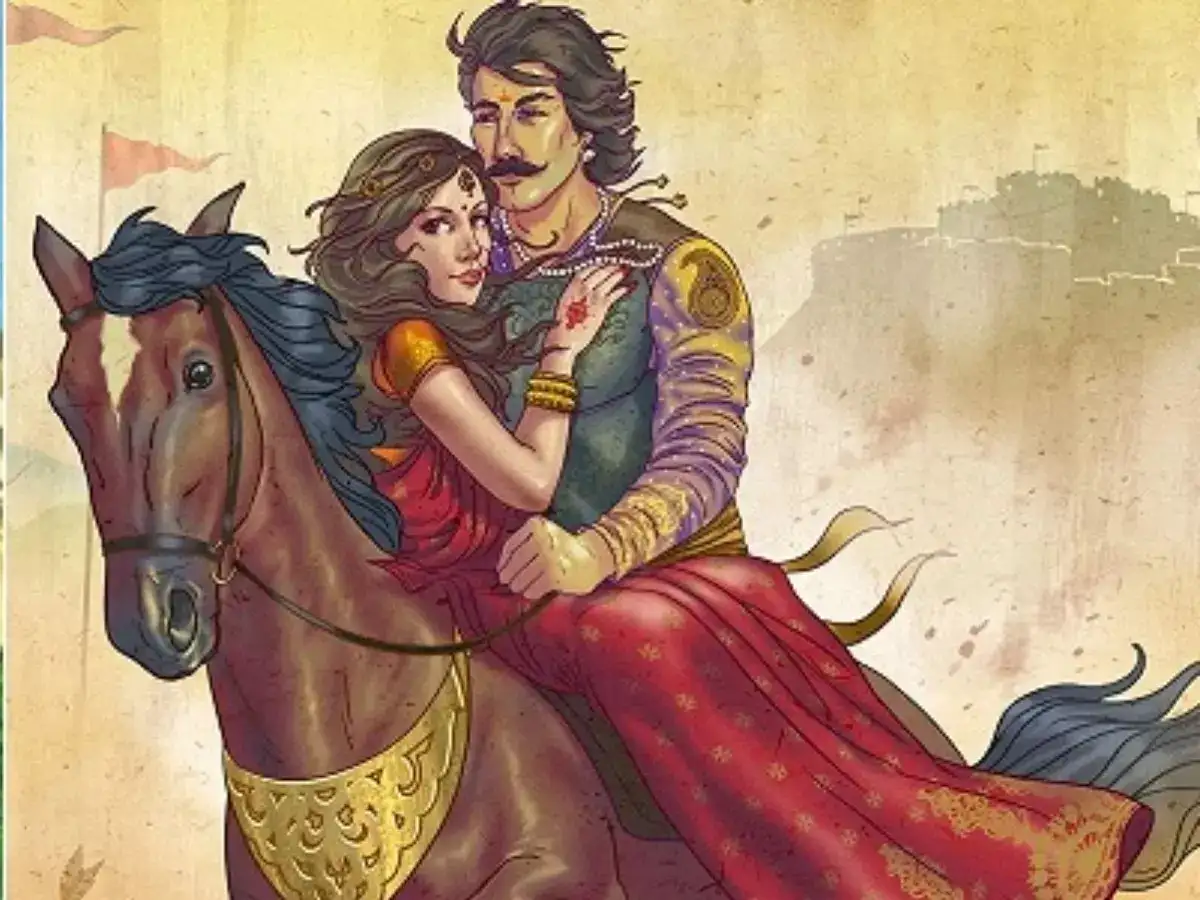
Among the many tales that have echoed through the centuries, none is remembered with greater passion than the legendary love story of Samrat Prithviraj Chauhan and Rajkumari Sanyogita of Kannauj. Long before they ever met, their hearts were drawn together through painted portraits and whispered tales of courage, beauty, and greatness. Sanyogita, the jewel of Kannauj, gave her heart to the fearless Emperor of Delhi, despite the bitter rivalry that divided their royal houses.
When Rajkumari Sanyogita learned of her father's plan to separate them and force her into a marriage of his choosing, she secretly sent a message to Prithviraj Chauhan, revealing the impending Swayamvara and pledging her devotion to him alone. Upon receiving her words, the Emperor devised a daring plan. Accompanied by his most trusted warriors, he rode to Kannauj in disguise and waited patiently for the moment destiny would call.
Determined to humiliate the Chauhan Emperor, King Jaichand excluded him from the Swayamvara and placed a clay statue of Prithviraj Chauhan at the entrance of the assembly, intending it as an insult. Yet true love knows neither fear nor pride. As princes and kings from across the land gathered in anticipation, Rajkumari Sanyogita walked past them all and placed her bridal garland around the neck of the statue of the man she had already chosen in her heart.
In that unforgettable moment, Prithviraj Chauhan emerged from concealment, lifted his bride onto his stallion, and rode away from Kannauj before the eyes of the assembled kingdoms. Their union became one of the most celebrated romances in Indian tradition—a story of love, courage, and defiance that has endured for centuries.
Yet every great love story must endure its trials. The humiliation of King Jaichand would not be forgotten, and the consequences of that day would eventually alter the destiny of kingdoms and shape the future of the Chauhan legacy forever.
The Betrayal and the Battle of Tarain
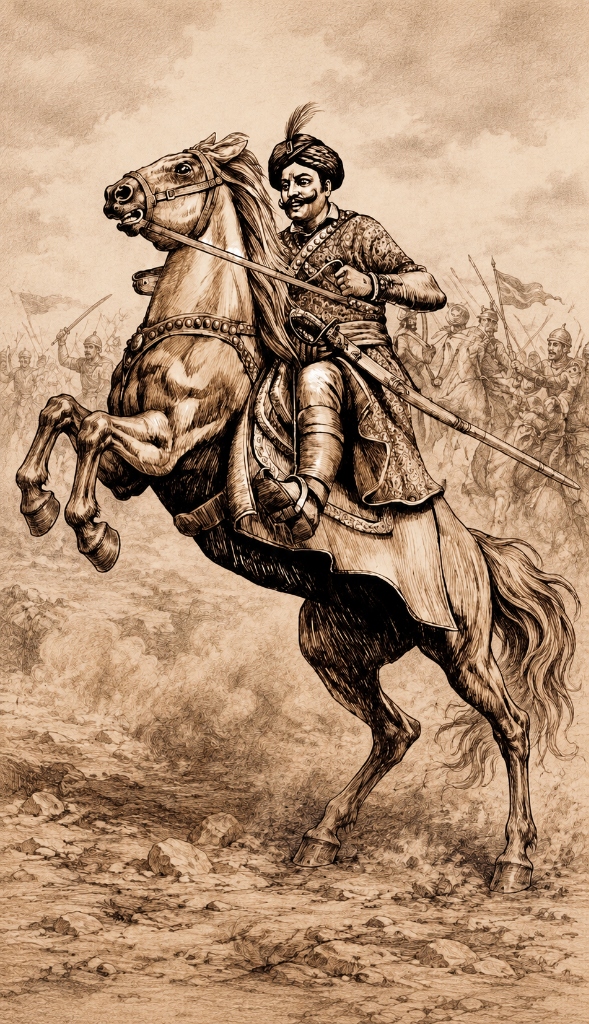
The Battle of Tarain in 1192 AD fundamentally altered the course of Indian history. According to traditions preserved through generations, Muhammad Ghori had attacked Samrat Prithviraj Chauhan seventeen times and was defeated on each occasion. Displaying the magnanimity and honor that defined his character, Samrat Prithviraj Chauhan spared his adversary and allowed him to depart after every defeat. King Jaichand, driven by envy over the epic and defiant love story between his daughter, Rajkumari Sanyogita, and Samrat Prithviraj Chauhan, betrayed his own son-in-law. This betrayal stemmed from the humiliation King Jaichand faced during Sanyogita’s Swayamvara—a traditional ceremony where the princess boldly chose the Chauhan emperor against her father's wishes.
On the eighteenth invasion, aided by the betrayal of King Jaichand, who was also the father of Rajkumari Sanyogita, Samrat Prithviraj Chauhan was defeated and captured by Muhammad Ghori. The invasion that followed brought immense suffering and destruction to the kingdom, and stories of sacrifice and resistance became forever etched into the collective memory of the Chauhan Kingdom.
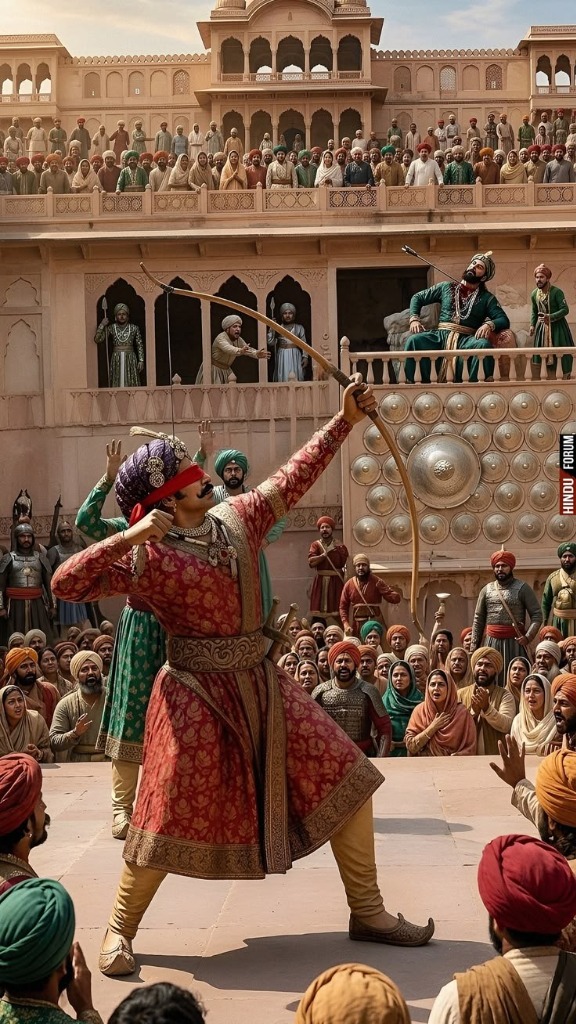
In captivity, the Emperor was blinded with hot iron rods, yet his spirit remained unbroken. Using only the sound of Ghori’s voice, he unleashed a single arrow—the Shabd Bhedi Baan—striking down Muhammad Ghori in his own court before sacrificing his own life. The story remains one of the most cherished symbols of Rajput courage, honor, and unwavering spirit, passed down through generations.
The Exodus and the Flight to Siwan
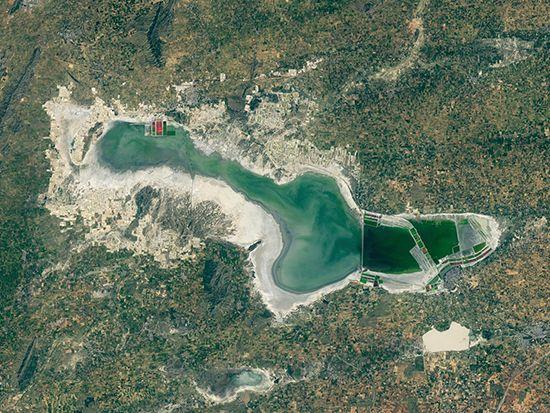
Pursued by the relentless forces of the enemy, our forefathers left the ancestral seat of Ajmer, seeking refuge and regrouping in Mainpuri, near Agra. For decades, they lived in the shadows of their former glory, preserving their identity and awaiting the opportunity to reclaim their heritage until the invasion happened again with ruthless killings and destruction.
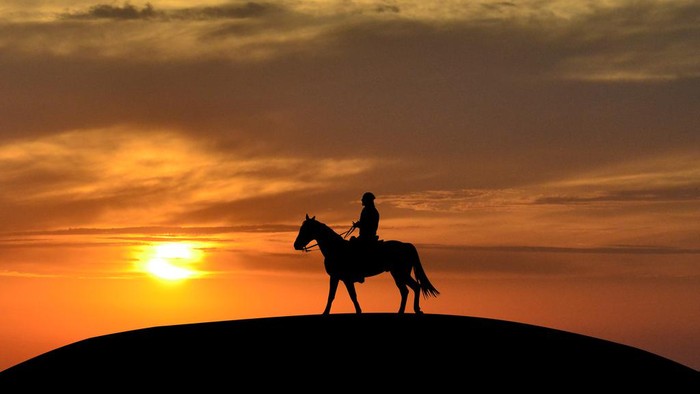
Driven by the need to survive and to keep the clan alive, six brothers of our direct bloodline mounted their horses and journeyed eastward, eventually reaching Siwan in Bihar.
In Siwan, they encountered a Muslim King who had once served under the great Emperor Prithviraj and still held profound respect for the Chauhan name. He offered them a challenge: to ride eastward and, within twenty-four hours, cover as much ground as possible on horseback. Whatever land they covered would belong to them forever.
The brothers rode with the strength and spirit of their ancestors, claiming nearly six hundred bighas of land. Because they arrived as warriors on horseback, the village they founded came to be known as Ghorgahiya—derived from "Ghor came from the word Ghora," meaning horse, and "Gahiya," meaning Village.
The Era of the Hidden Clan
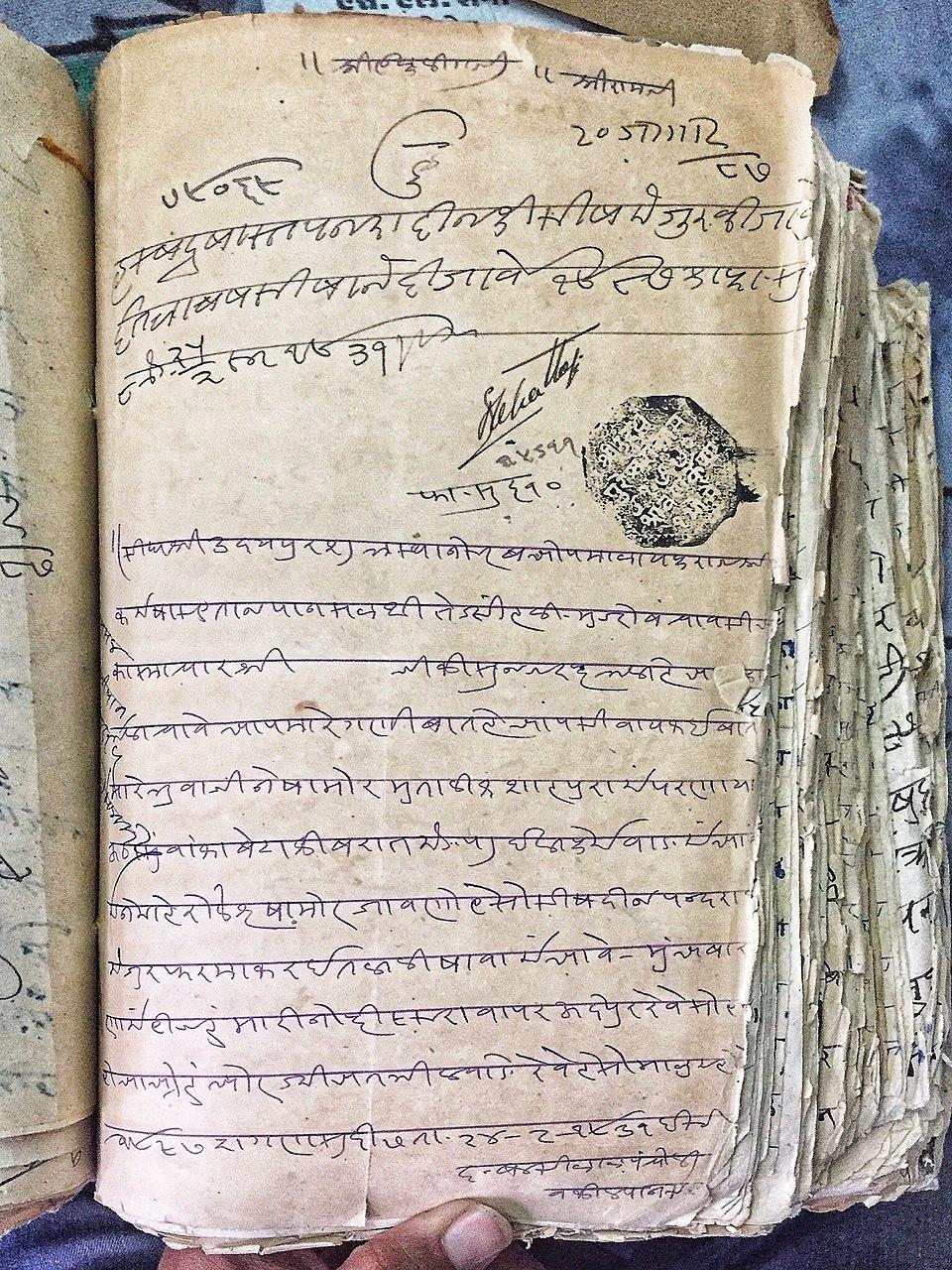
To protect the future of the lineage, the brothers entered a period of concealment. They intentionally dropped the title of Chauhan to evade the reach of Ghori’s soldiers, adopting only Singh as their surname—a practice so enduring that even today many family documents do not carry the Chauhan name.
Of those six brothers, four established the families that grew into over six hundred Chauhan Rajput households that inhabit Ghorgahiya today, making it a village uniquely known even today for having only one clan of Rajputs across the entire village. Through the generations, the village has preserved its warrior traditions.
The Unbroken Chain: Our Direct Lineage
- Ancestor Shri Pragash Singh Ji Chauhan
- Ancestor Shri Dimag Singh Ji Chauhan
- Ancestor Shri Amar Singh Ji Chauhan
- Great-Grandfather Shri Jamdar Singh Ji Chauhan
- Grandfather (Eldest Brother) Shri Heera Singh Ji Chauhan (The Man with a Golden Heart)
- Grandfather (Middle Brother) Shri Moti Singh Ji Chauhan
- Our Current Generation's Grandfather (The Youngest Brother) Shri Mangal Singh Ji Chauhan
- Owner & Director (Our Current Generation's Father & Mother) Shri Ravindra Singh Ji Chauhan & Smt. Sunita Singh Ji
- Our Current Generation Shri Sumant Singh Chauhan & Shri Sourav Singh Chauhan
A Legacy Restored to the Soil
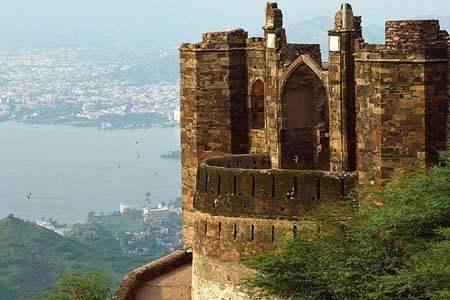
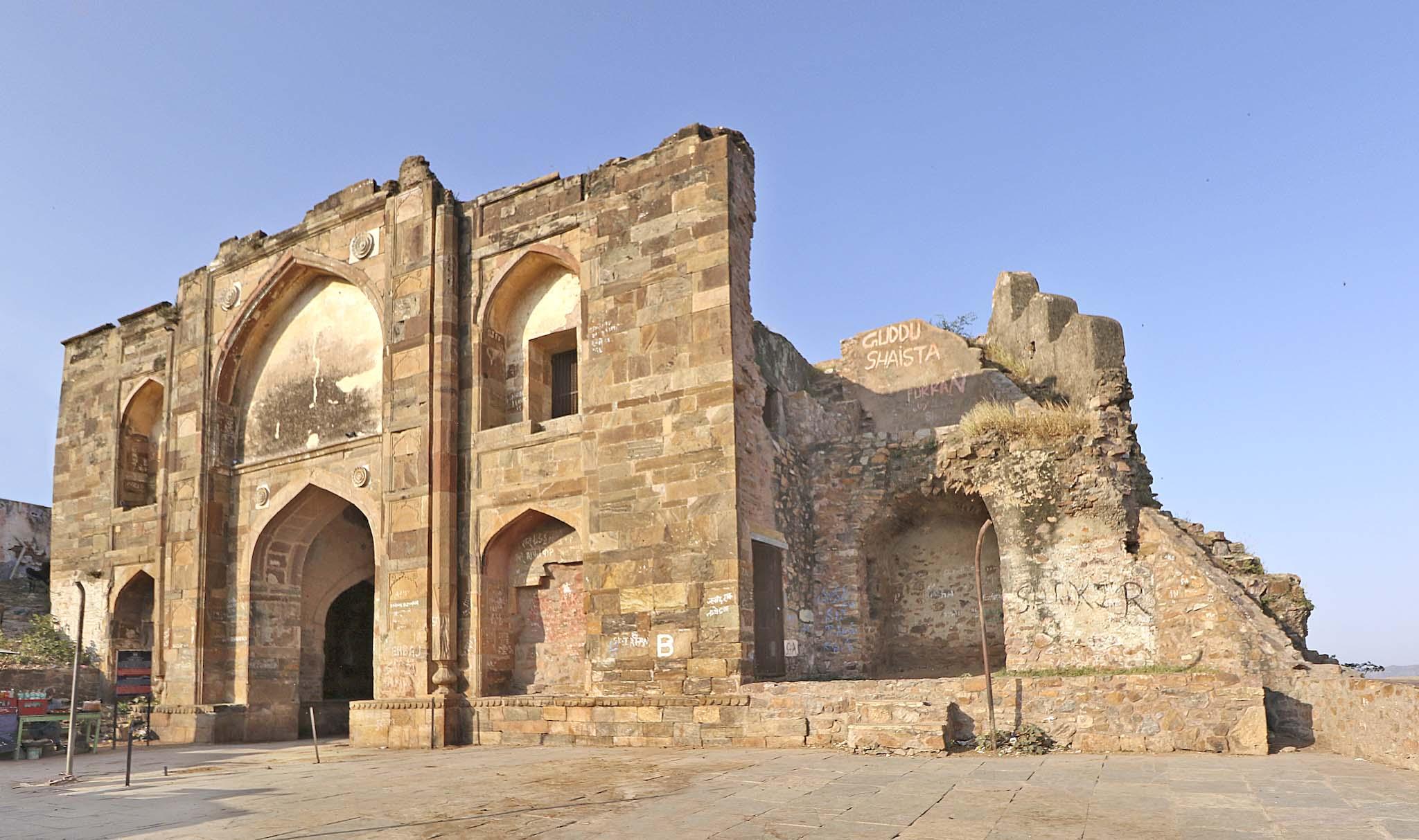
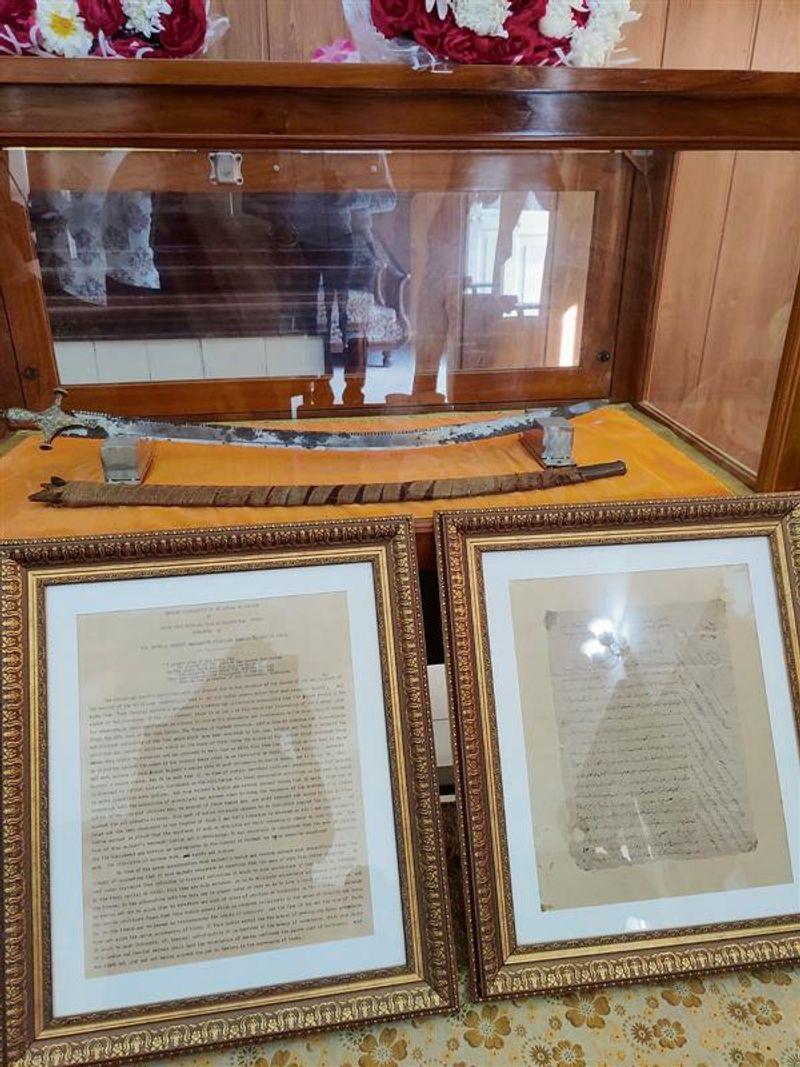
The final chapter of this epic was written in 2005, when the ashes (Asthiyan) of Shri Prithviraj Singh Ji Chauhan III were brought back from Afghanistan to India by Shri Sher Singh Rana. Today, they rest near the land once ruled by the great Chauhan emperor. The ruins associated with the ancient seat of Ajmer stand as silent witnesses to a turbulent past.
We do not merely lead a business; we carry the weight and the glory of fifteen centuries of history. Every decision we make is guided by the same spirit of resilience that carried our forefathers on horseback from Ajmer to Ghorgahiya.
For us, this is more than history—it is inheritance. More than memory—it is identity. And more than legacy—it is duty.
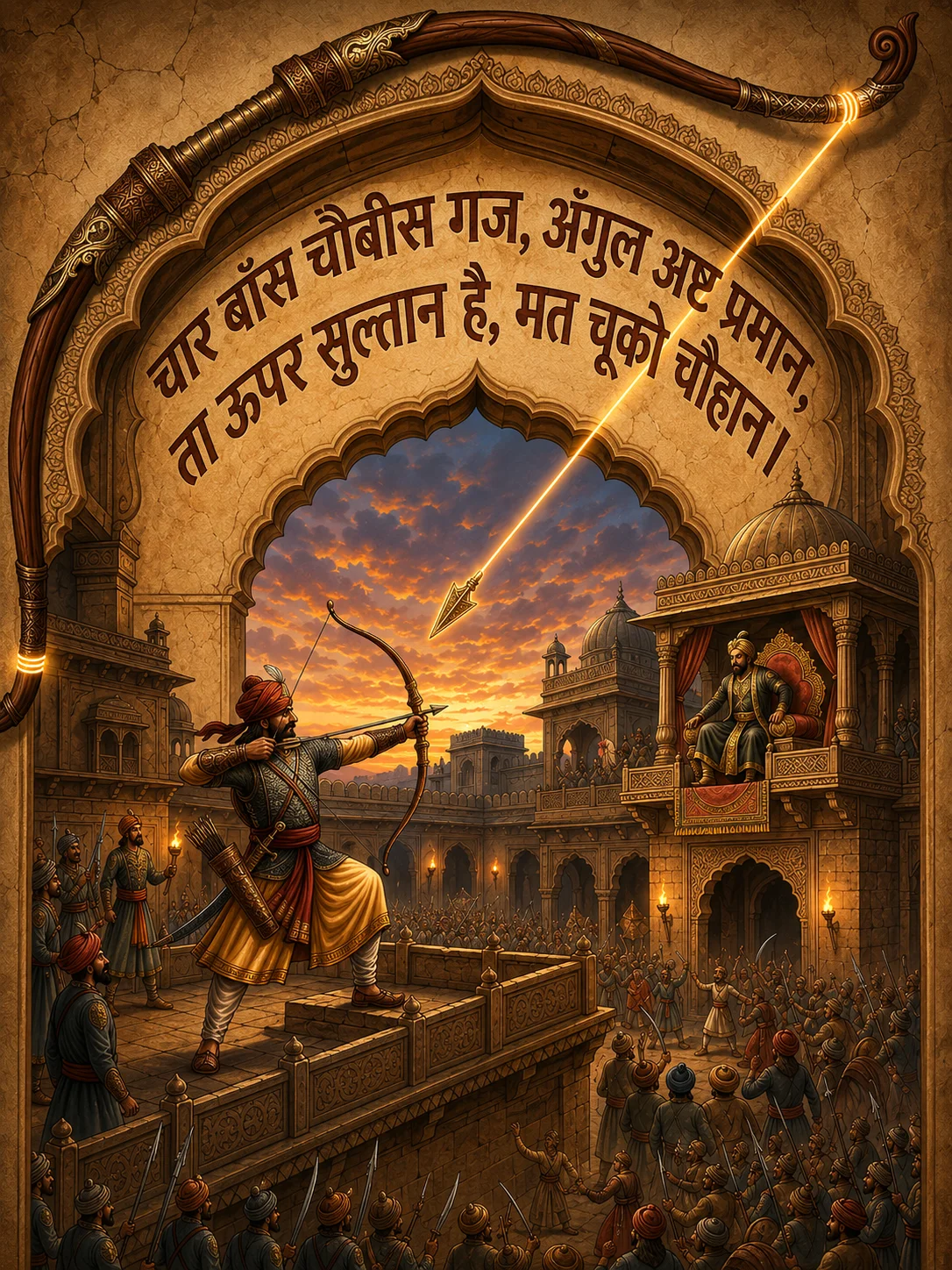
ता ऊपर सुल्तान है, मत चूको चौहान।
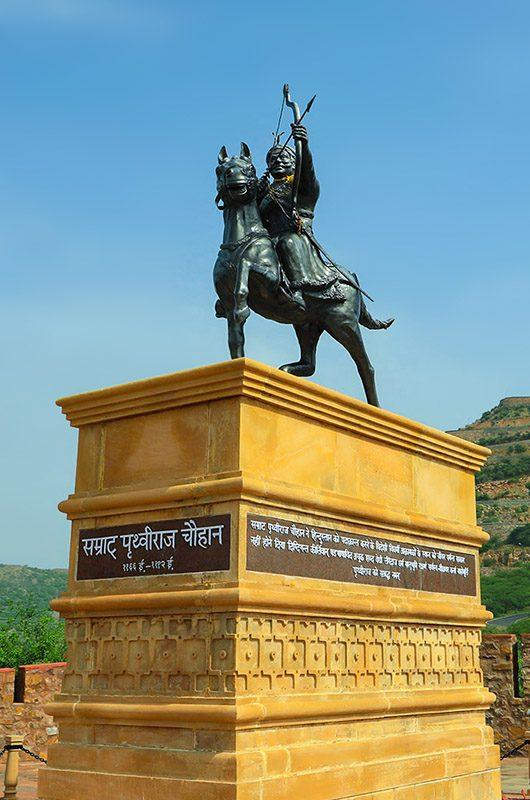
Historical Archives